

The Housing Continuum

The housing continuum includes the range of housing types that are commonly available in a community. Autistic and other neurodivergent people are everywhere throughout the housing continuum, from homelessness to market housing, and many options in between. Each type of housing plays an important role for different people at different times.
A healthy housing system includes a variety of housing options to meet different individual and family needs, such as apartments, townhomes, and single-family homes. It should provide people at all income levels with access to safe, stable housing.
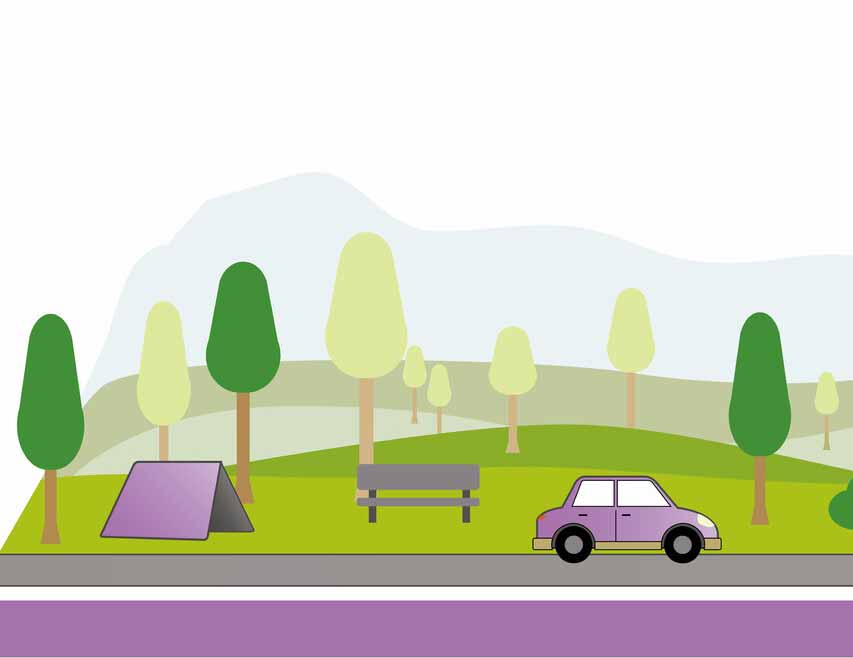
Homelessness
Lack of a stable, safe, and permanent place to live. This may result in people accessing shelters, temporary housing, living in vehicles, abandoned buildings, inconsistently with family or friends, or in public spaces.
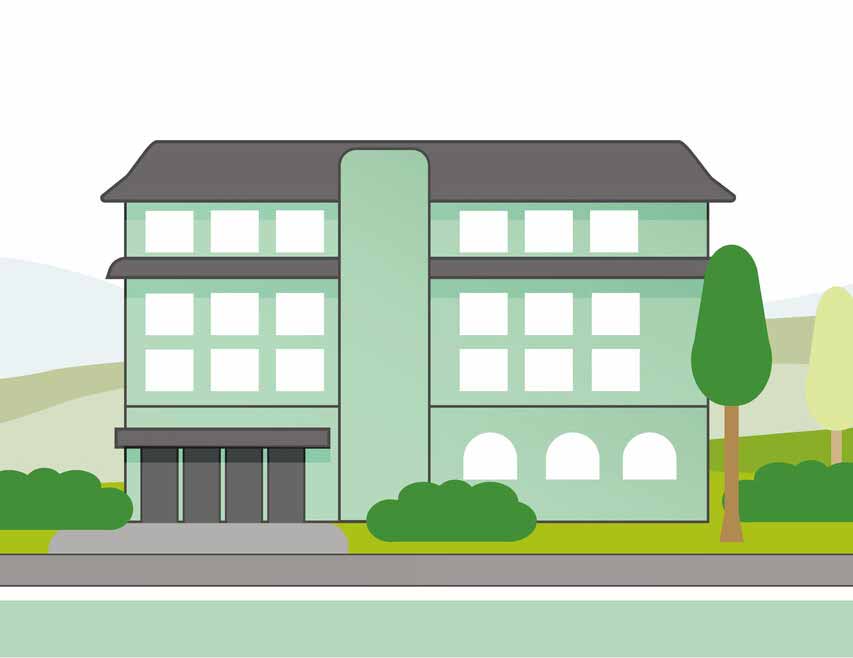
Emergency Shelter
Short-term shelter providing people with an immediate place to stay, designed for crisis-support and for people to enter and exit rapidly.
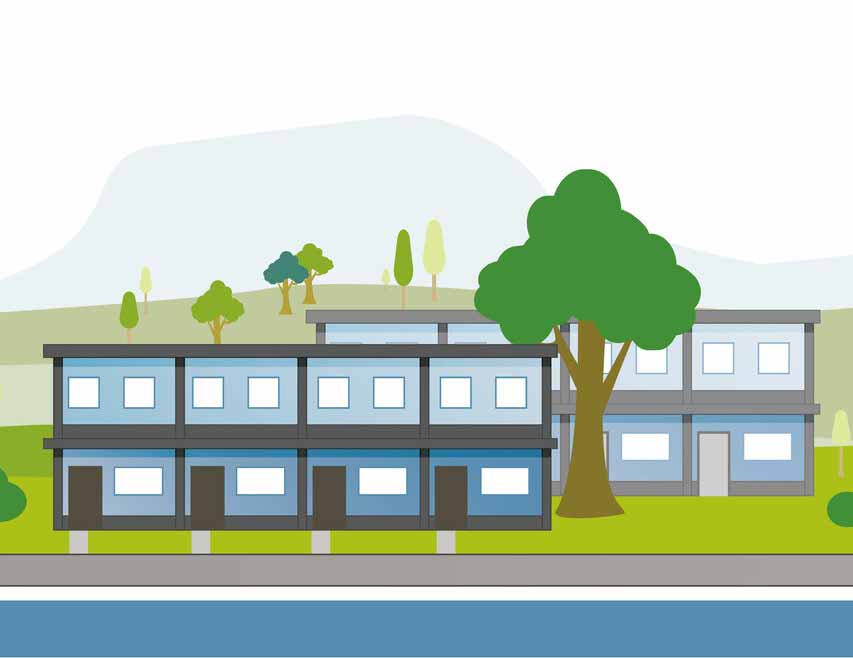
Transitional Housing
Temporary housing intended to help people move toward stable, independent living. Bridging the gap between homelessness or shelters and stable housing. Stays may last months to a few years.
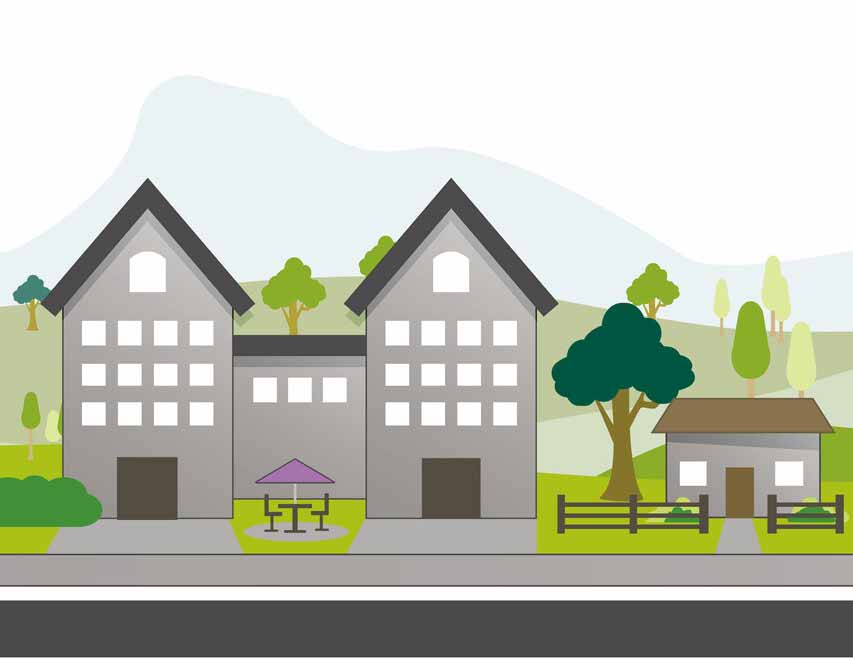
Supportive Housing
Stable housing that includes built-in support for people with chronic and persistent disabilities, mental health conditions, or substance use.
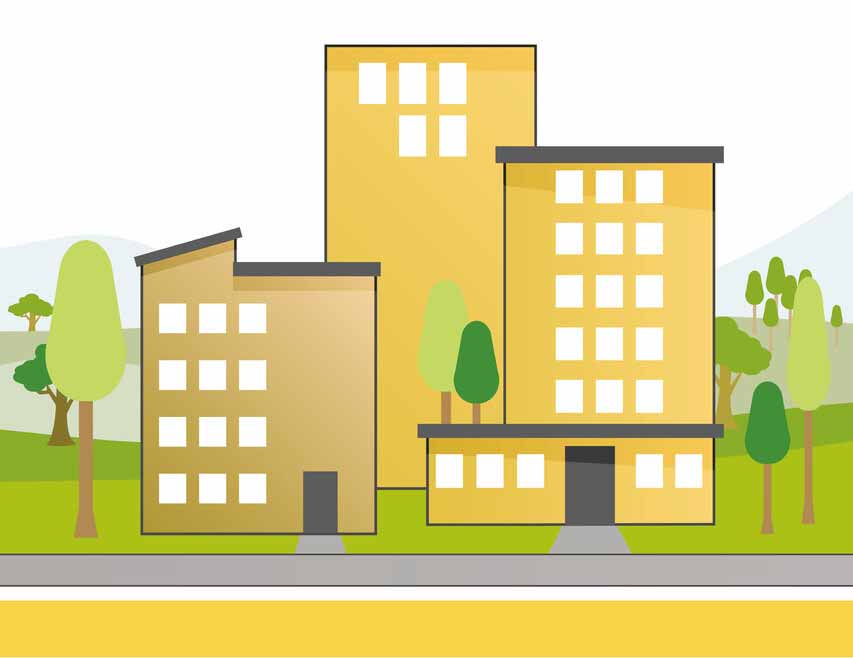
Community Housing
Sometimes called Social or Subsidized Housing. Stable housing that is typically owned and operated by government or non-profit organizations, designed to provide deeply affordable rental units for low-income households.
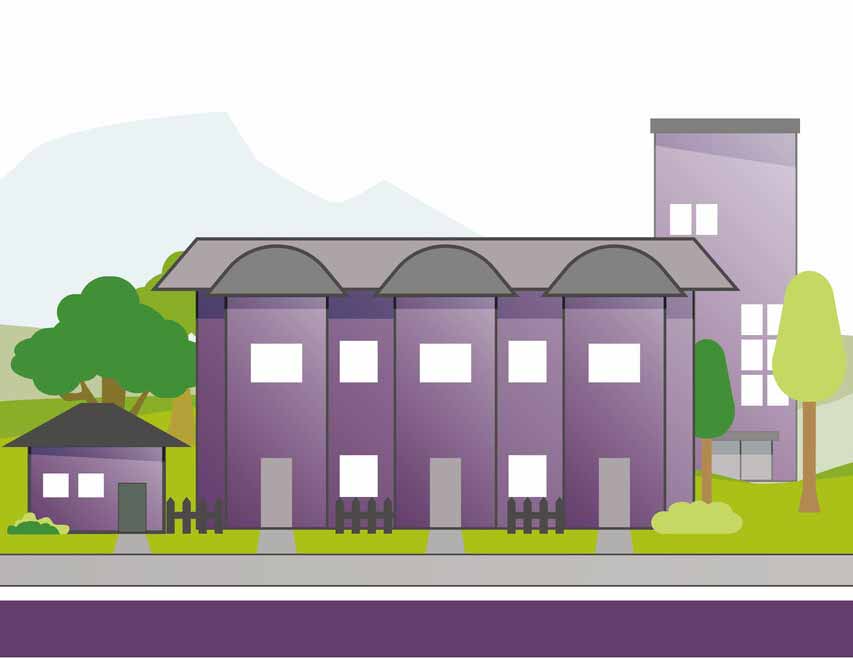
Affordable Housing
Stable home rental or ownership that costs no more than 30% of a household’s gross income. Affordable housing is a broader category that includes both Community Housing and private sector developments. Affordability is maintained through various mechanisms and may include moderate-income households as opposed to strictly low-income residents.
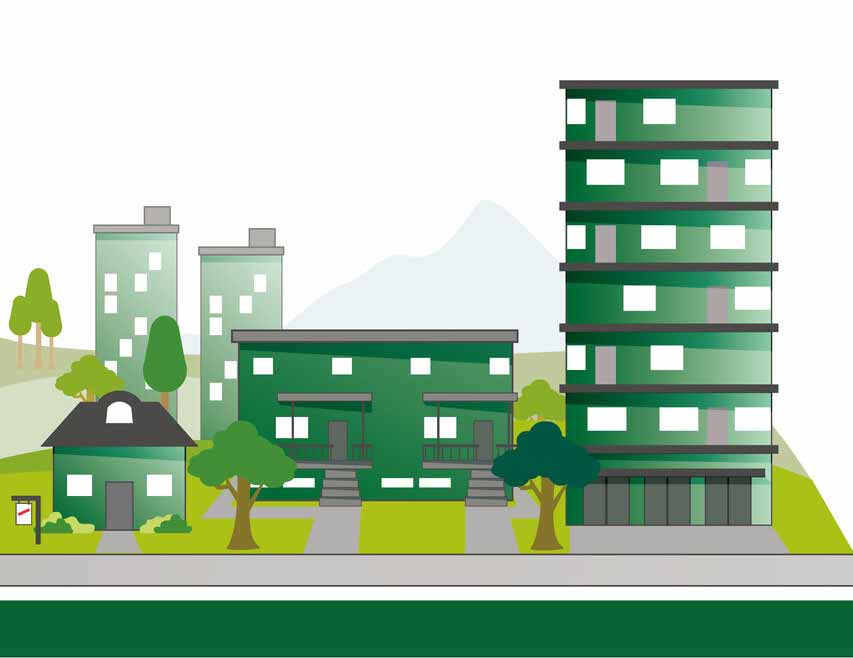
Market Housing
Stable private rental and homeownership housing where prices are determined by landlords, developers, and real estate markets without direct subsidies or affordability mandates. Costs fluctuate based on supply, demand, and economic conditions.
