
Moving into a home is an important step, and there can be a lot to learn about living in and maintaining one.
Whether you have recently moved or have lived in your home for years, there are ongoing responsibilities and decisions that come with managing a household.
This page offers information and resources to help you understand tenant or home ownership responsibilities, manage everyday tasks, communicate with landlords or roommates, and work through problems that may come up.
You do not need to manage everything on your own. Using tools, asking questions, and getting support when needed are all ways to help maintain housing that works for you.
Your needs and circumstances may change over time. The goal is to help you feel comfortable, safe, and supported in your home, for as long as it continues to meet your needs.
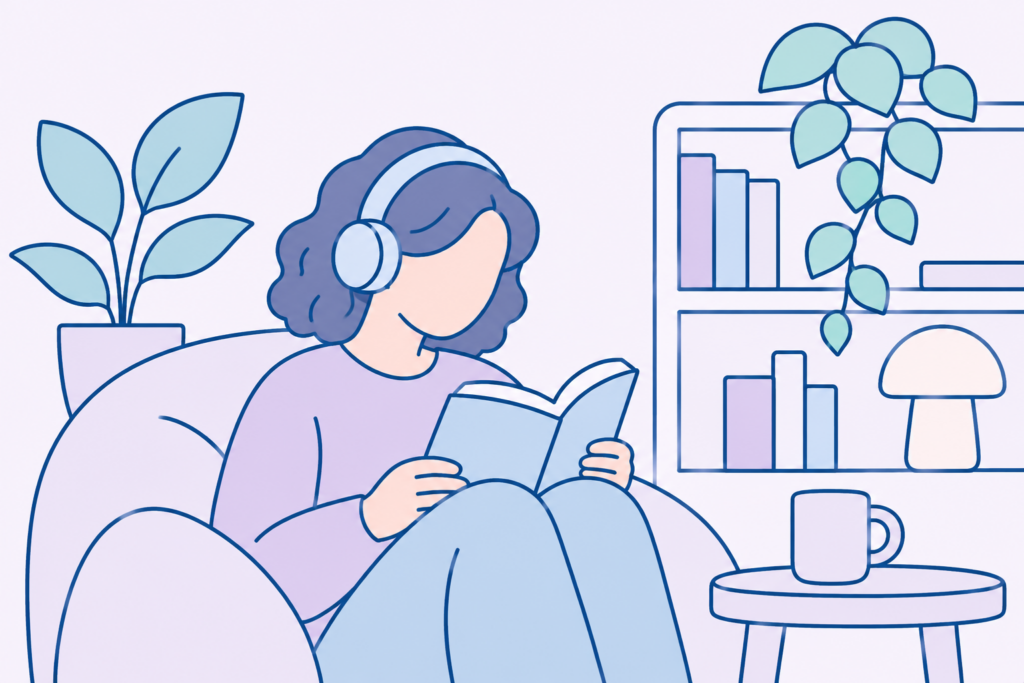
Sensory Wellness
Your home should be a place where you feel comfortable, safe, and able to recharge.
Everyone has different sensory needs and preferences. Things like lighting, sound, temperature, smells, and textures can affect how comfortable you feel in your home.
Creating a sensory-friendly home can often be done without major renovations or expensive changes. Start by understanding what works for you and exploring small adjustments that support your well-being.
Why Sensory Wellness Matters
What feels calming to one person may feel overwhelming to another.
Understanding your sensory preferences can help you recognize what affects your comfort and energy, identify spaces that help you recharge, and make changes that work for you.
There is no single right way to create a sensory-friendly home.
Explore Your Sensory Environment
These three steps can help you better understand how your home affects your comfort and well-being. Move at your own pace.
Step 1: Notice
Step 1: Notice Your Sensory Environment
Pay attention to how different spaces in your home make you feel.
Consider:
- What do you see, hear, smell, and feel?
- Which spaces feel comfortable or calming?
- Which spaces feel overwhelming or tiring?
- Does your experience of these spaces change throughout the day?
Notice any patterns. Small observations can help you understand what works for you.
Step 2: Map
Step 2: Create a Sensory Map
A sensory map is a simple drawing of your home that shows how different spaces make you feel.
Mark areas with bright lights, loud sounds, strong smells, or other sensory experiences. You can also identify places where you feel comfortable or relaxed.
Your map can help you recognize what already works well and where small changes might help.
Step 3: Zones
Step 3: Identify Your Sensory Zones
Use a traffic light system to describe how different spaces feel.
- Green zones: Spaces where you feel comfortable and supported.
- Yellow zones: Spaces that present some challenges but may improve with adjustments.
- Red zones: Spaces that feel overwhelming, tiring, or difficult to use.
You do not need to make every space a green zone. Focus on understanding your needs and identifying where changes could help.
Ideas for Creating a Sensory-Friendly Space
A comfort space is somewhere you can relax, recharge, and take a break from sensory demands.
It might be a bedroom, favourite chair, quiet corner, or another place that works for you.
Explore these ideas for making your space more comfortable.
Light
- Dimmable lights or table lamps
- Blackout curtains
- Colour-changing lights
- Sunglasses indoors
Movement
- Rocking chairs
- Exercise or sensory balls
- Exercise bands tied to chair legs
Sound
- Noise-cancelling headphones
- Earplugs
- White noise machines
- Music or sound options
Temperature
- Portable fans
- Adjustable thermostats
- Heated blankets
- Extra blankets or throws
Touch
- Soft blankets
- Weighted blankets
- Beanbag chairs
- Textured pillows or rugs
Start Small
You do not need to change everything at once.
Start by noticing what feels comfortable, identifying what causes stress, and trying small changes.
Keep what works and adjust what does not.
Your home does not need to be perfect. It needs to work for you.
Shared Living
Living with others can make housing more affordable, help you share household responsibilities, and create opportunities to build relationships.
Shared living can include roommates, friends, or romantic partners. Sometimes, the most affordable housing option is renting a room in a home with people you do not already know. Your roommates do not need to be your friends, family members, or supporters to share a home successfully.
Sharing a home means sharing spaces, responsibilities, and decisions. You may have different routines, preferences, and expectations than the people you live with.
Clear communication and shared expectations can help everyone feel comfortable, respected, and safe.
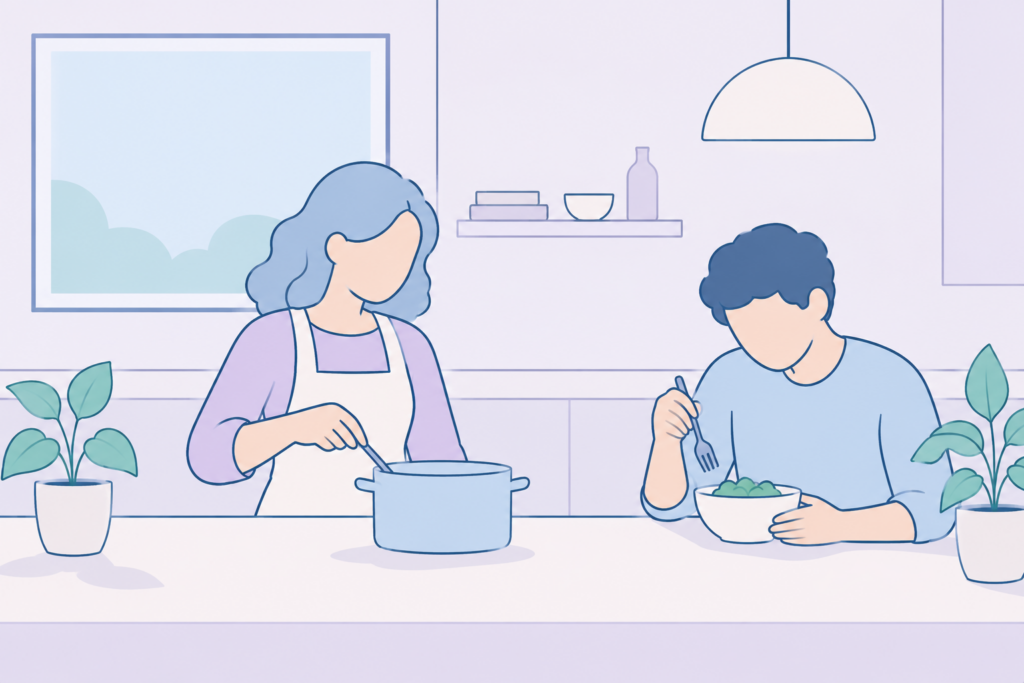
Roommate Agreement
A roommate agreement can help you and the people you live with discuss important topics, such as household chores, shared expenses, visitors, personal boundaries, and how to handle disagreements. Some of this information may also be included in your lease.
Talking about these things early, and checking in regularly, can help prevent misunderstandings.
Explore the Roommate Agreement template for questions and ideas to discuss with the people you live with.

Creating House Rules Together
House rules can help everyone understand what is expected in your shared home.
Some rules may already be set by your landlord or property manager. You and the people you live with can also agree on rules that reflect people’s different needs, routines, and preferences, including yours.
Consider discussing things like noise, cleaning, guests, shared belongings, and privacy. Having these expectations written down gives everyone something to refer to when questions or concerns arise.
Explore the House Rules template to help create clear, fair expectations for your shared home.
Home Hacks
A Home Hack is something you do, use, arrange, or set up that helps make your home or daily life work better for you.
Home Hacks can be simple changes, creative solutions, helpful tools, or routines that make everyday tasks easier, reduce stress, or improve comfort. They do not need to be expensive or complicated.
Many ideas shared throughout this website could be considered Home Hacks, from using visual reminders and checklists to adjusting lighting, organizing belongings, or creating routines that work for you.
Explore More
Explore Home Hacks from Our Community
For National Housing Day 2026, The Sinneave Family Foundation invited Autistic and neurodivergent people to share their own Home Hacks.
This campaign highlights practical ideas, personal experiences, and creative solutions that help people make their homes work better for them.
Explore the Home Hacks shared by community members. You might discover an idea you want to try or find inspiration to create your own.